
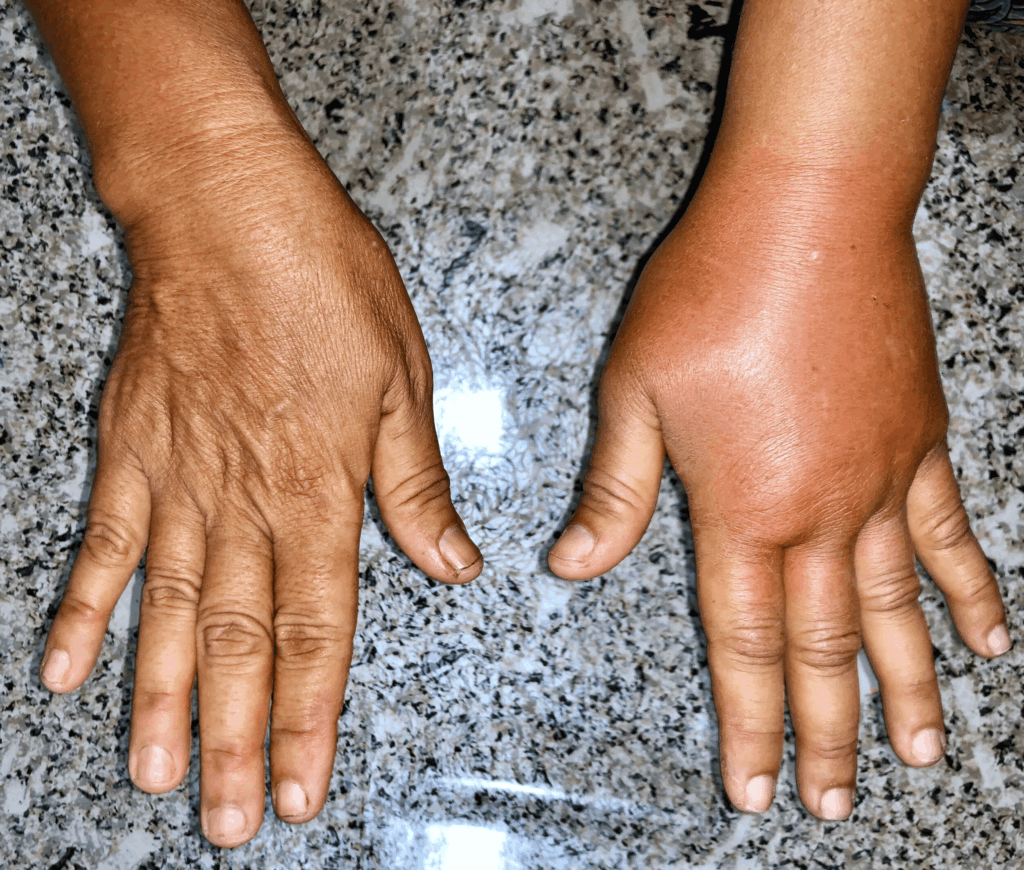
Lymphedema is a chronic condition that causes swelling due to the buildup of lymphatic fluid in the body’s tissues. It most commonly affects the arms and legs, but it can also occur in other parts of the body. While the condition cannot always be cured, early diagnosis and appropriate treatment can significantly improve quality of life and prevent complications.
What Is Lymphedema?
The lymphatic system is an essential part of the immune system, responsible for draining excess fluid, removing waste, and fighting infections. When this system is damaged or blocked, lymph fluid accumulates, resulting in swelling known as lymphedema.
Lymphedema can develop gradually, making it easy to overlook the initial symptoms. Recognizing the warning signs early is the key to successful management.
Common Causes of Lymphedema
Lymphedema may occur due to several reasons, including:
- Cancer surgery involving lymph node removal
- Radiation therapy
- Trauma or injury affecting lymphatic vessels
- Congenital abnormalities of the lymphatic system
- Recurrent infections
- Obesity and certain chronic medical conditions
People who have undergone treatment for breast cancer, gynecological cancers, melanoma, or prostate cancer may have a higher risk of developing lymphedema.
Early Signs You Should Not Ignore
Early detection can help prevent the condition from progressing. Watch for symptoms such as:
- Persistent swelling in an arm, leg, hand, or foot
- A feeling of heaviness or tightness
- Reduced flexibility in joints
- Clothing, rings, or shoes becoming tighter than usual
- Skin tightness or discomfort
- Frequent skin infections
If these symptoms persist, consult a lymphedema specialist for evaluation.
Why Early Treatment Matters
Without proper care, lymphedema can gradually worsen and lead to:
- Increased swelling
- Skin thickening (fibrosis)
- Recurrent infections such as cellulitis
- Pain and discomfort
- Reduced mobility
- Difficulty performing daily activities
Early intervention helps control swelling, improve function, and reduce the risk of long-term complications.
Treatment Options
Lymphedema management usually involves a personalized treatment plan that may include:
- Comprehensive assessment
- Manual Lymphatic Drainage (MLD)
- Compression therapy
- Exercise and movement therapy
- Skin care education
- Lifestyle modifications
- Long-term maintenance strategies
With the right treatment approach, many individuals successfully manage their symptoms and continue to lead active, fulfilling lives.
Can Lymphedema Be Prevented?
Although not every case can be prevented, you can reduce your risk by:
- Protecting the affected limb from injury
- Maintaining a healthy body weight
- Staying physically active
- Practicing good skin care
- Following your healthcare provider’s recommendations after surgery or cancer treatment
- Reporting swelling as soon as it appears
Astitvva Healthcare: Supporting You Every Step of the Way
At Astitvva Healthcare, we believe that timely diagnosis, compassionate care, and evidence-based treatment are essential for effective lymphedema management. Our team focuses on creating individualized care plans that help patients reduce swelling, improve mobility, and regain confidence in their daily lives.
Whether you’re experiencing early symptoms or seeking ongoing lymphedema care, our specialists are committed to providing expert guidance and comprehensive rehabilitation tailored to your needs.
Take the First Step Toward Better Lymphatic Health
Persistent swelling should never be ignored. Seeking professional evaluation early can make a meaningful difference in your treatment outcomes. If you or a loved one is experiencing symptoms of lymphedema, schedule a consultation with Astitvva Healthcare to receive expert care and personalized support.